Maha Ayurved | Pune
Ayurvedic Treatment for Arthritis in PuneEasier Movement, Steadier Joints
Personalised Ayurvedic care for arthritis and joint pain, planned around your joints, your digestion and your daily routine.
What Is Arthritis (Sandhivata, Amavata and Vatarakta)?
Ayurvedic treatment for arthritis in Pune at Maha Ayurved begins with one question: which kind of arthritis is it? Arthritis means inflammation or degeneration of one or more joints. It brings pain, stiffness, swelling and reduced movement, and it is not a single disease. Osteoarthritis is a wear-related condition, while rheumatoid arthritis is an autoimmune one, so the two need different thinking.
Ayurveda reads joint disease through three classical conditions: Sandhigata Vata (wear-type), Amavata (inflammatory, linked to undigested Ama) and Vatarakta (burning, often starting in the feet). These are described under Kayachikitsa, the branch of internal medicine, and each is handled differently.
Pain that lasts beyond a few weeks, morning stiffness, or swelling that keeps returning deserves a proper assessment. At Maha Ayurved, that begins with your history, your reports and an unhurried examination.
What Are the Types of Arthritis in Ayurveda?
Choose a type to see how Ayurveda reads it. Modern medicine knows many more forms, and each is read through one of these three patterns at Maha Ayurved.
Wear-Type Joint Disease
Vata rises as the body ages or tires, and the lubricating quality of the joint (Shleshaka Kapha) falls. The classics describe swelling that feels like a bag filled with air, and pain on bending or straightening the joint.
At a Glance
- Modern correlateOsteoarthritis
- Main driverVata, joint dryness, ageing, overuse
- Feels likePain on movement, creaking, stiffness after rest
- Ayurveda leads withSnehana, Swedana, Basti, Rasayana
Inflammatory Joint Disease
Weak digestion (Agni) leaves undigested Ama, which travels with aggravated Vata and settles in the joints. The classics mention body ache, heaviness, loss of appetite and pain like a scorpion sting. It often begins in small joints.
At a Glance
- Modern correlateRheumatoid arthritis and similar inflammatory arthritis
- Main driverAma with Vata, weak Agni
- Feels likeSwelling, warmth, long morning stiffness, tiredness
- Ayurveda leads withPachana first, then Shodhana and Shamana
Burning, Flaring Joint Pain
Aggravated Vata combines with vitiated Rakta (blood). The pain is burning or throbbing, with redness and warmth, and it often begins in the toes and feet before moving upward. Raised uric acid is a common finding.
At a Glance
- Modern correlateGouty and similar flaring arthritis
- Main driverVata with Rakta, diet and lifestyle
- Feels likeSudden burning, redness, tender to touch
- Ayurveda leads withVirechana, Basti, Pitta and Rakta care, diet
Also assessed: psoriatic arthritis, ankylosing spondylitis, reactive arthritis and joint pain after viral fever (such as chikungunya). Each is read through the closest classical pattern. If psoriasis is part of your story, see our page on Ayurvedic treatment for skin diseases.
Sandhivata vs Amavata: What Is the Difference?
The two are often confused, yet their roots differ, and so does the order of care.
| Feature | Sandhivata | Amavata |
|---|---|---|
| Modern correlate | Osteoarthritis | Rheumatoid arthritis and related types |
| Root in Ayurveda | Vata, joint dryness, tissue wear | Ama with Vata, weak Agni |
| Usual pattern | Often with age or overuse, one or a few large joints | Can begin earlier, small joints, both sides |
| Stiffness | Short, after rest | Often long, with heaviness and tiredness |
| Swelling | Mild, may feel airy or creaky | Warm, tender, may recur |
| Where care starts | Oleation, fomentation, nourishing therapies | Digesting Ama first, then cleansing |
Many people carry features of both. Your physician decides the order of care after examining you and your reports.
What Causes Arthritis and Joint Pain?
Most people have more than one contributor. Here is how each is read in modern terms and in Ayurveda.
Weak Digestion
Irregular, heavy, cold or incompatible food weakens Agni and forms Ama, the root of Amavata.
Ageing and Wear
Natural rise of Vata and fall of joint nourishment, central to Sandhivata.
Overuse and Injury
Heavy work, repeated strain or old injuries disturb the joint and aggravate Vata.
Excess Weight
Extra load on knees and hips speeds wear, and heaviness feeds Kapha and Ama.
Immune and Family Factors
Autoimmune arthritis can run in families. Ayurveda reads this as a susceptibility that routine can ease or worsen.
Cold, Damp and Sleep Loss
Cold exposure, daytime sleep, late nights and stress aggravate Vata and Ama.
Common Symptoms of Arthritis
Symptoms that stay, return or spread are the ones worth acting on.
Joint Signs
- Pain on movement or at rest
- Swelling, warmth or tenderness
- Creaking or grinding
- Reduced range of movement
Daily Life Effects
- Stiff mornings
- Trouble with stairs or sitting on the floor
- Weak grip, difficulty with buttons and jars
- Poor sleep from night pain
Signs Ayurveda Notes
- Heaviness and body ache (Gaurava, Angamarda)
- Low appetite, indigestion (Agnimandya)
- Dryness, cracking sounds (Vata)
- Burning, redness (Pitta and Rakta)
📅 Book a Consultation If
- Joint pain has lasted several weeks
- Morning stiffness is becoming routine
- Swelling keeps returning
- You want a plan alongside your current medicines
⚠️ See a Doctor First If
- One joint turns hot, red and very painful, with fever
- Pain follows a fall or injury
- Joint pain comes with a new rash, red eyes or weight loss
- Back pain comes with leg weakness or loss of bladder control
Arthritis Treatment at Maha Ayurved: Four Phases of Care
Ayurveda does not give every joint the same treatment. The order depends on whether Ama, Vata or Rakta leads. A typical plan at Maha Ayurved moves through four phases, and your physician may skip or repeat any of them.
- Phase 1Pachana: Digest the AmaDeepana and Pachana medicines, light food and dry fomentation rekindle Agni. This comes first in Amavata and in any case with heaviness and poor appetite.
- Phase 2Shodhana: Cleanse, Where SuitablePanchakarma such as Virechana or Basti may follow for stronger patients, after assessment. See our Panchakarma page.
- Phase 3Shamana: Calm the DoshasIndividually chosen herbal medicines and external therapies ease pain, stiffness and swelling while the plan is reviewed at each visit.
- Phase 4Rasayana and Pathya: Rebuild and MaintainRasayana support, diet, movement and routine help hold the gains and ease flares.
Therapies by Joint
Knees
Janu Basti holds warm medicated oil around the knee. Abhyanga and Swedana support it.
Lower Back and Hips
Kati Basti, Abhyanga and Basti where suitable, with guided stretching.
Neck and Shoulders
Greeva Basti, Patra Pinda Sweda and gentle mobility work.
Hands and Fingers
Herbal Lepa, warm fomentation and oil care to ease stiffness.
Ankles and Feet
Oil therapy, Swedana and, in burning Vatarakta, Pitta and Rakta-soothing care.
Whole Body
Yoga, Pranayama, sleep and weight guidance to lower the load on every joint.
Please note: Panchakarma and external therapies are chosen after assessment and are not suitable for everyone, including those who are very weak, pregnant or acutely unwell. Duration and suitability are decided individually.
Key Ayurvedic Herbs for Arthritis
These herbs are described in the classics for joint and Vata disorders. They are listed for understanding only. Your physician selects, combines and doses them, so please do not self-prescribe.
| Herb | Botanical name | What the classics say |
|---|---|---|
| 🌿 Guggulu | Commiphora wightii | A resin used in many Vata and joint formulations, and a classical medohara and shothahara. |
| 🌳 Shallaki | Boswellia serrata | Traditionally used for joint swelling and stiffness. |
| 🍃 Rasna | Pluchea lanceolata | A leading Vata-pacifying herb, often named in Amavata formulations. |
| 🌱 Nirgundi | Vitex negundo | Used internally and as oil for painful, swollen joints. |
| 🪴 Guduchi | Tinospora cordifolia | A Rasayana used in Vatarakta and Amavata. It acts on immunity, so physician guidance matters. |
| 🫚 Shunthi | Zingiber officinale | Dry ginger, a warming Deepana and Pachana herb for Ama. |
| 🌰 Eranda | Ricinus communis | Root and oil are classical in Vata disorders. It is potent and used only under supervision. |
| 🌼 Ashwagandha | Withania somnifera | A Rasayana and Balya for strength, sleep and recovery, especially in wear-type conditions. |
Pathya: Helpful Habits
- Warm, light, freshly cooked meals at regular times
- Moong, barley, ginger, cumin and turmeric in cooking
- Warm water through the day
- Gentle daily movement, yoga and a steady sleep hour
Apathya: Best Limited
- Cold, stale, heavy or deep-fried food
- Curd at night, excess sweets and incompatible food combinations
- Daytime sleep and late nights
- Smoking, alcohol and self-bought painkillers or herbal powders
📚 What Does the Research Say?
Researchers in Pune have registered a Cochrane review protocol to weigh the evidence for Ayurvedic treatment of rheumatoid arthritis. Evidence in this field is still developing, so we present Ayurveda as individualised, supportive care and never as a replacement for your rheumatologist.
Benefits of Arthritis Care at Maha Ayurved
Joint care that begins by naming the type, and works with the care you already have.
Type Before Treatment
Sandhivata, Amavata and Vatarakta are told apart first, so the order of therapy fits your joints.
Your Reports Count
Bring your scans, blood tests and prescriptions. They shape the plan and keep it safe beside modern care.
Matched to Your Prakriti
Herbs, oils, diet and movement are chosen for you, not drawn from a standard pack.
Panchakarma Where Suitable
Basti, Virechana and local oil therapies are advised only when your strength and condition allow.
Diet and Routine Guidance
Practical Pathya for your kitchen and your day, because joints respond to digestion and habit.
Two Clinics, One Plan
Follow up at Wakad or Kasarwadi, whichever is closer, with progress reviewed at every visit.
Meet Dr. Ravindra Borade, Ayurvedic Doctor in Pune
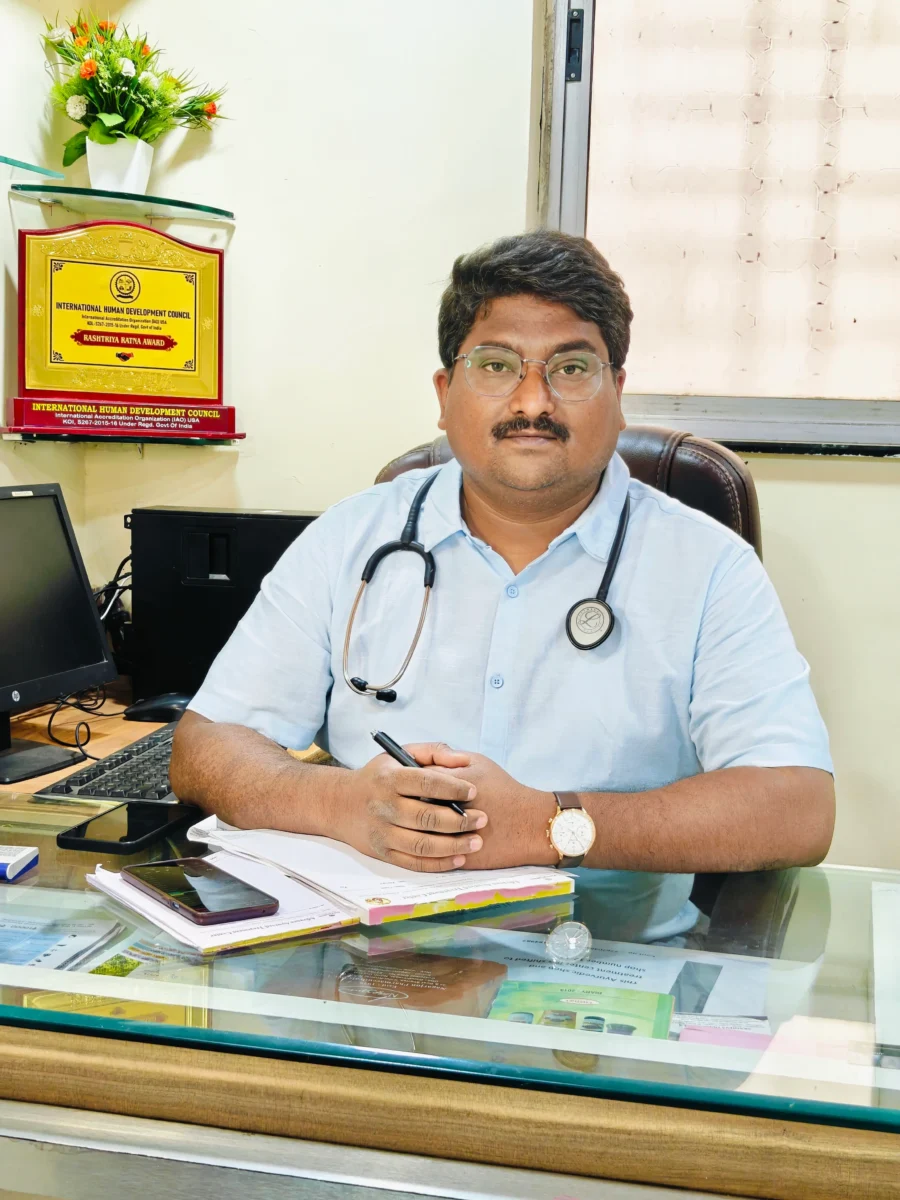
Dr. Ravindra Borade
Lead Physician · Ayurveda | Maha Ayurved, Pune
Dr. Ravindra Borade leads Maha Ayurved and consults on joint and lifestyle disorders, among other concerns. He begins with a detailed history, Nadi pariksha and a review of your reports, and builds every plan around your Prakriti. Read his full profile.
Registration: EDIT (council and number)
What to Bring to Your First Arthritis Consultation
A little preparation helps your physician read your joints faster and more safely.
🗂️ Your Checklist
- X-ray or MRI reports of the painful joints
- Blood tests, if done: RA factor, anti-CCP, ESR, CRP, uric acid
- All current prescriptions, including painkillers and steroids
- A note of when the pain is worst and how long morning stiffness lasts
- Your usual meals and sleep hours
Arthritis Treatment at Maha Ayurved: Your Questions Answered
How does Maha Ayurved assess arthritis at the first consultation?
Your physician takes a detailed history of the pain, stiffness and swelling, then examines the joints and reads your pulse (Nadi pariksha) and Prakriti. Agni and Ama are assessed, and your reports are reviewed. The type is identified first, and the plan is explained step by step.
Which types of arthritis does Maha Ayurved care for?
Ayurvedic care is offered for wear-type joint pain (Sandhivata), inflammatory arthritis (Amavata) and flaring, burning joint pain (Vatarakta). Psoriatic, ankylosing, reactive and post-viral arthritis are also assessed individually, with referral advised whenever it is in your interest.
Can I continue my rheumatologist's medicines while consulting Maha Ayurved?
Yes, and please do. Share your prescriptions and reports so both approaches work together. Never stop or reduce steroids, methotrexate or other prescribed medicines on your own. Any change should come from the doctor who prescribed them.
Does Maha Ayurved use Panchakarma for arthritis?
Where suitable. Panchakarma such as Basti or Virechana, and local oil therapies such as Janu Basti or Kati Basti, may be advised after assessment. They are not suitable for everyone, so strength, age and the stage of the disease decide the plan.
What reports should I bring to Maha Ayurved for arthritis?
Bring X-ray or MRI reports, blood tests such as RA factor, anti-CCP, ESR, CRP and uric acid if done, and all current prescriptions. If you have no reports yet, your physician will guide you on which tests are worth doing.
How long does arthritis care at Maha Ayurved take, and how are follow-ups planned?
It depends on the type, how long the joints have been affected and how closely the plan is followed. After the first consultation your physician explains a review schedule and adjusts the plan at each follow-up. No outcome or timeline can be guaranteed.
Which Maha Ayurved clinic should I visit for joint pain, Wakad or Kasarwadi?
Either. Maha Ayurved has two clinics in Pune, at Wakad and Kasarwadi, and follow-ups can be planned at whichever is closer. Book through the Book an Appointment button or call +91 74101 82111.
What is the difference between Amavata and Sandhivata?
Sandhivata is wear-type joint disease linked to Vata and ageing, much like osteoarthritis. Amavata is inflammatory, driven by Ama and Vata, much like rheumatoid arthritis. Because the roots differ, the order of treatment differs too.
Can Ayurveda cure arthritis?
Ayurveda offers individualised, supportive care that aims to ease pain and stiffness and improve movement. Arthritis, especially the autoimmune kind, is long-term, so we speak of steady improvement and care over time rather than a guaranteed cure.
Which foods should I avoid with arthritis in Ayurveda?
Cold, stale, heavy and fried food, curd at night, excess sweets and daytime sleep are commonly restricted, especially in Amavata. Warm, light, freshly cooked meals are preferred. Your physician personalises this, as needs differ between types.
Book an Arthritis Consultation in Pune
Speak with an Ayurvedic physician at the clinic nearest you and bring your reports.
📍 Wakad Clinic
Arogyam Dhansampada, Vrundavan Society, Datta Mandir Rd, opp. Shakti Sports, Wakad, Pimpri-Chinchwad, Pune
Hours: Mon – Sun, 10am – 9pm
Phone: +91 74101 82111
📍 Kasarwadi Clinic
Shop no 12 & 13, Vishal Residency, near Pride Motors, Laxman Krupa Housing Society, Kasarwadi, Pimpri-Chinchwad, Pune 411034
Hours: Please call to confirm timings
Phone: +91 74101 82111
Related Care at Maha Ayurved
This page is for general information and does not replace medical advice, diagnosis or treatment. Individual experience varies and no outcome is promised. Please consult a qualified physician about any health concern, and do not stop prescribed medicines without medical advice.